Understanding neurodivergence
What is Neurodivergence?
Neurodivergence describes the natural range of ways a person's brain and nervous system can work, think, and experience the world. It's a difference, not something that needs fixing.
WHAT IS NEURODIVERGENCE?
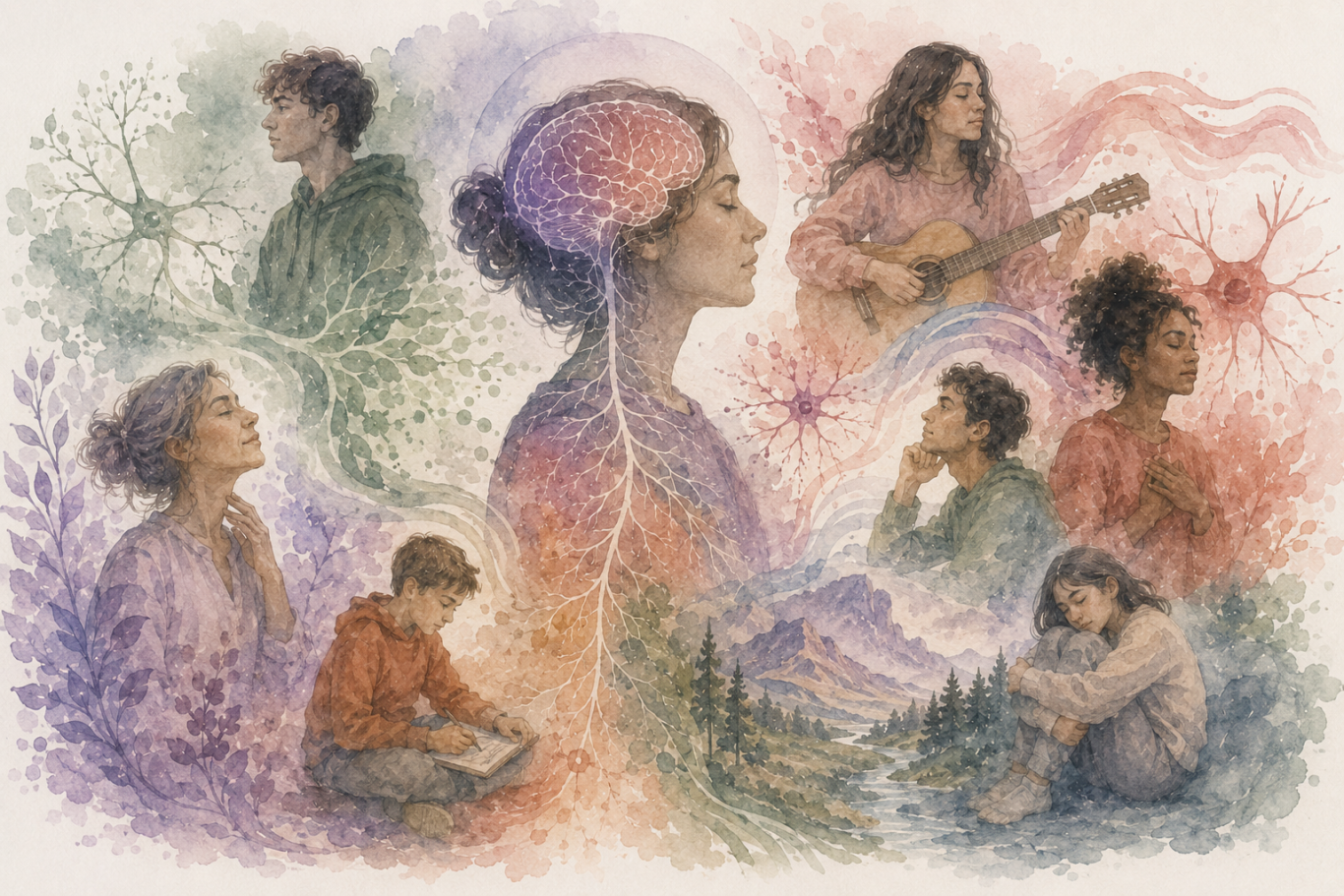
Neurodivergence covers the everyday differences in how people think, sense, move, learn, communicate, and feel. These are part of the natural variety of human minds, not disorders that need correcting.
The word comes from "neuro," relating to the nervous system as a whole, not just the brain. That's why many neurodivergent people notice differences in how their bodies respond to sensory input, movement, or stress, alongside how they think, since mind and body are closely connected through the nervous system.
People might identify as neurodivergent for many reasons, including being autistic, having ADHD, dyslexia, dyspraxia, or dyscalculia, Tourette's, Functional Neurological Disorder (FND), sensory processing differences, or other ways the brain and body connect and communicate differently. This list isn't exhaustive.
At NDspt, we see neurodivergence as something that touches a whole person, how they feel, communicate, move, and relate to their surroundings. Our work is about understanding each person's own experience, building self-awareness, and finding strategies that fit their natural way of being rather than working against it.
There's no single "normal" way to be human, only many different ways of existing and thriving.
NEURODIVERSE VS. NEURODIVERGENT
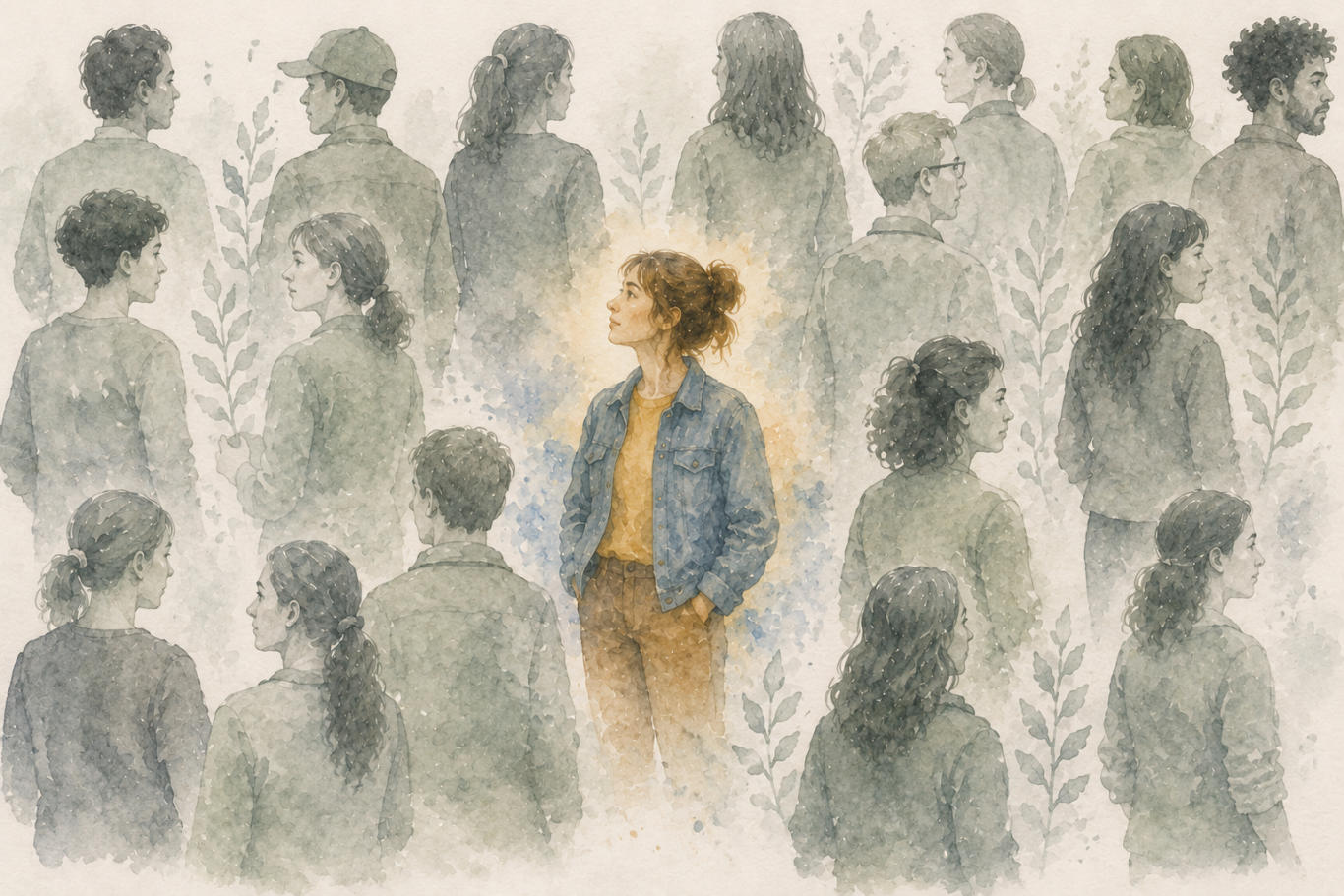
These two words sound alike but mean different things, and mixing them up is common.
Neurodivergent
Describes an individual whose brain and nervous system work differently from what's considered typical, for example, someone who is autistic, has ADHD, is dyslexic, or lives with FND.
Neurodiverse
Describes a group or environment made up of a mix of different neurotypes, both neurotypical and neurodivergent people. A team, classroom, or family can be neurodiverse; an individual person can't.
It's common to hear someone describe themselves as "neurodiverse," but that's not quite accurate, since it would mean being both neurodivergent and neurotypical at once. At NDspt, we care about getting this language right, because accurate words help build real understanding. Recognising a space as neurodiverse means recognising everyone's part in making it welcoming and supportive of different neurological and sensory needs.
THE BROADER MEANING OF NEURODIVERSITY
Neurodiversity is more than a label. It's a way of looking at the world with acceptance and respect for how closely our minds and nervous systems are connected to who we are. Differences in how people communicate, process information, feel emotion, or experience their senses are simply part of natural human variation.
This idea reaches beyond any single diagnosis. It spans the full range of neurological difference, and every person's own experience within it has worth.
At NDspt, neurodiversity isn't about sorting people into "typical" or "different." It's about asking how the spaces around us, workplaces, classrooms, communities, can adapt to meet a wider range of needs. Valuing every way of being means building communities that work with people, not against how they're naturally wired.